
BY TIM BARTROP
This edition’s Garage Session deals with the topic of welding. TAC inspectors see all types of welding during their work but in reality it should all be the same and comply with a National code such as AS1554 the Structural Steel welding standard.
But we have vehicle builders with different levels of skills and different goals for their cars. The main goal is that all street rods that we put on the road are safe for their drivers and other road users. Here are some key points for our members to be aware of.
• A vehicle is a moving object and if a weld breaks it can be catastrophic.
• Don’t weld if you are not qualified or highly experienced. If you are learning, why not tack things together and get an experienced friend to complete the welding.
• Most States do not allow welding of steering or brake components, even with non-destructive test results.
• Do not weld dissimilar metals where the metallurgical result is in doubt.
• Understand how material needs to be prepared for an effective weld.
• Do not over grind welds and reduce the weld fillet size below what is needed for strength.
• Ensure that any welded suspension parts (eg. tubular suspension arms and radius rods) are professionally welded. For parts subject to cyclic loading and fatigue like these, we recommend X-ray testing to validate weld quality. Experience with X-ray testing of suspension parts currently shows nearly a 50% failure rate.
In 2021 every vehicle deserves and needs a high standard of welding. We’re not living in the 1970’s any longer and community expectations in all aspects of life are high. We all work in environments of Quality Assurance and Safety in our daily lives so we need to take those values with us when we go to our garages.
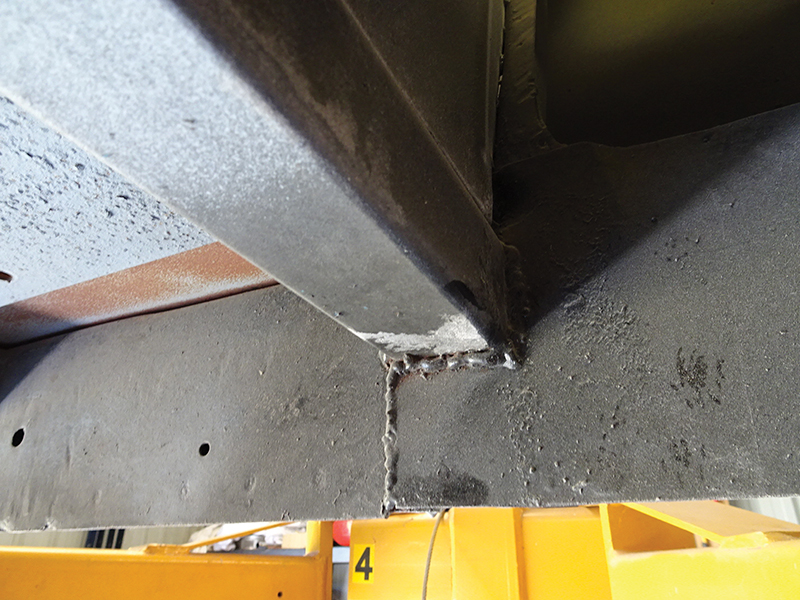
The weld under the crossmember is one-sided and cold, leaving this total joint in doubt.
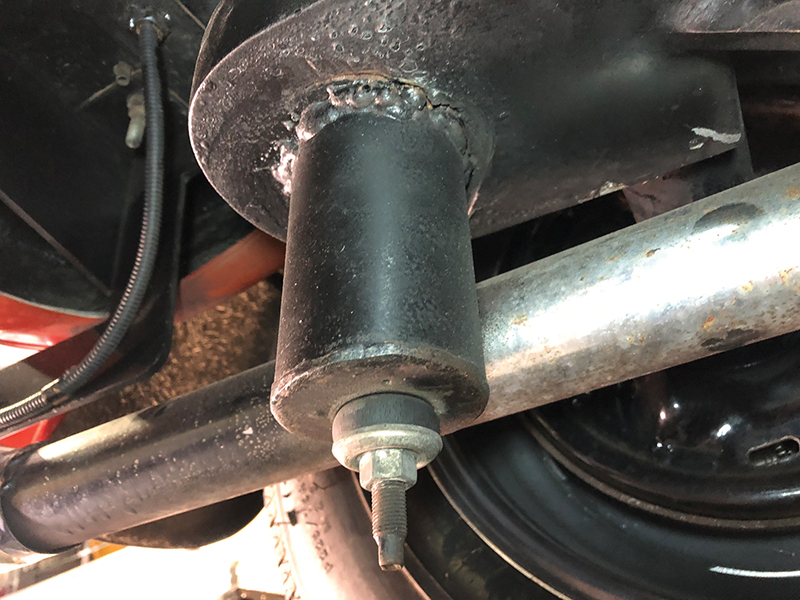
Poor quality welding has already resulted in cracking on this shock absorber bracket.
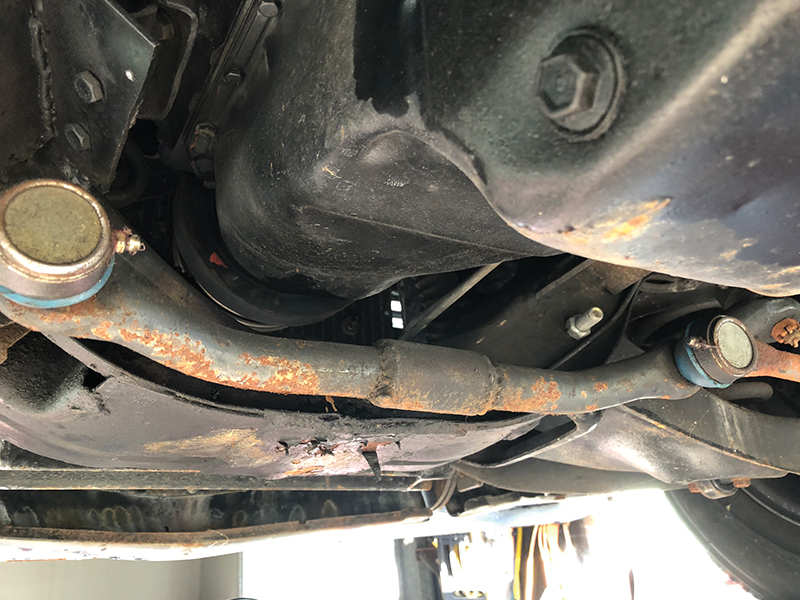
Welding a steering arm is not allowed and this is a forged arm joined with a steel tube. The resultant metallurgy is unknown.
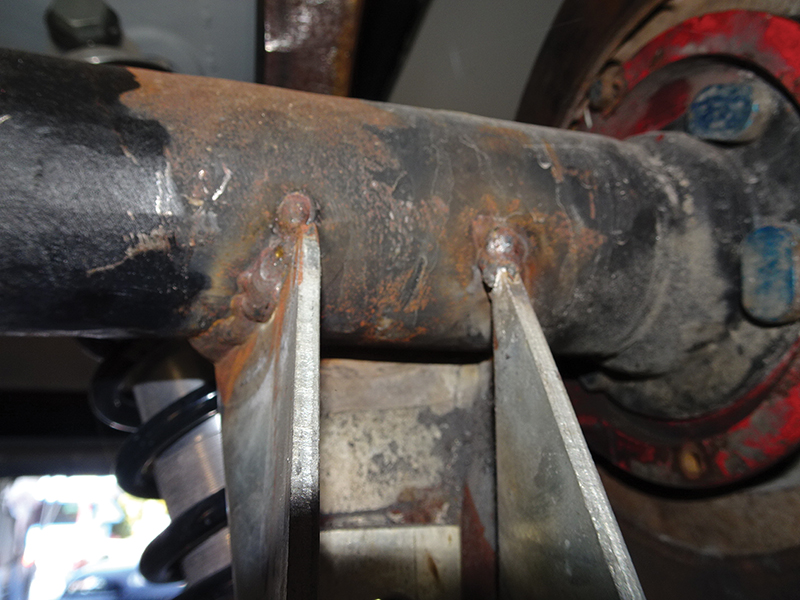
This differential bracket weld isn’t good, but it may just be enough. Where both sides of a bracket are available, why not weld them? It adds strength, seals the joint and stops rust development out of the crevice.

The differential spring mount shown is poorly welded and unprofessional. Don’t rely on U-bolt tension for location.


